
Email: info@basementwaterproofingtroy.com
Call: (248) 886-6545
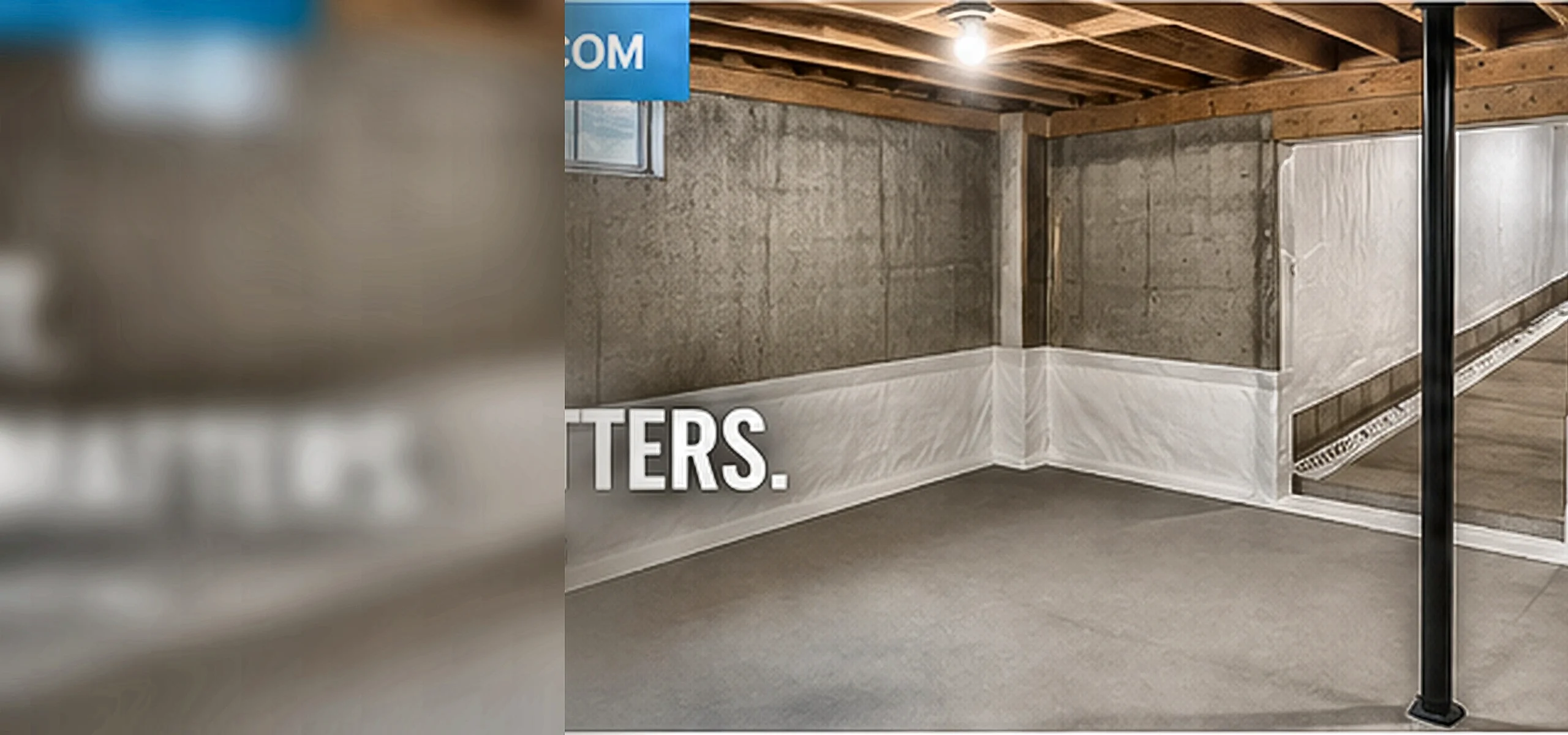
Troy’s Local Waterproofing Experts
If you're searching for basement waterproofing in Troy, there's a good chance you've already noticed a damp corner, a musty smell, or a hairline crack that seems to widen every winter. In Oakland County, that's rarely bad luck — it's usually the soil and the freeze-thaw cycle. Troy sits on clay-heavy soil that holds water against a foundation instead of letting it drain away, and Michigan's hard winters mean that trapped water expands and contracts against your foundation walls repeatedly every season.
Troy homeowners searching this term have real options, and some of the established names in this market do solid work. What we've found makes the real difference isn't the size of the company — it's whether someone actually diagnoses your specific foundation before recommending a system. A hydrostatic-pressure issue needs a fundamentally different fix than a single settlement crack, and treating them the same way is the most common reason a fix fails again within a year or two.
Brian Whitfield started this company after a decade running foundation and drainage crews across Metro Detroit, wanting a company that leads with diagnosis instead of a standard sales pitch. He leads every inspection personally.
More about us
Two focused services, diagnosed right — not sold on a script.
Interior and exterior drainage, sump pump installation, and crack injection for wet or flood-prone Troy-area basements.
Vapor barriers, moisture control, and ventilation for damp Troy-area crawl spaces — before the moisture spreads upward.
We work throughout Troy and the surrounding Oakland and Macomb County suburbs — Rochester Hills, Rochester, Sterling Heights, Warren, Royal Oak, Berkley, Clawson, Madison Heights, Hazel Park, Ferndale, Birmingham, Bloomfield Hills, Bloomfield Township, West Bloomfield, Auburn Hills, Pontiac, Shelby Township, Utica, Fraser, Southfield, Farmington Hills, and Novi.
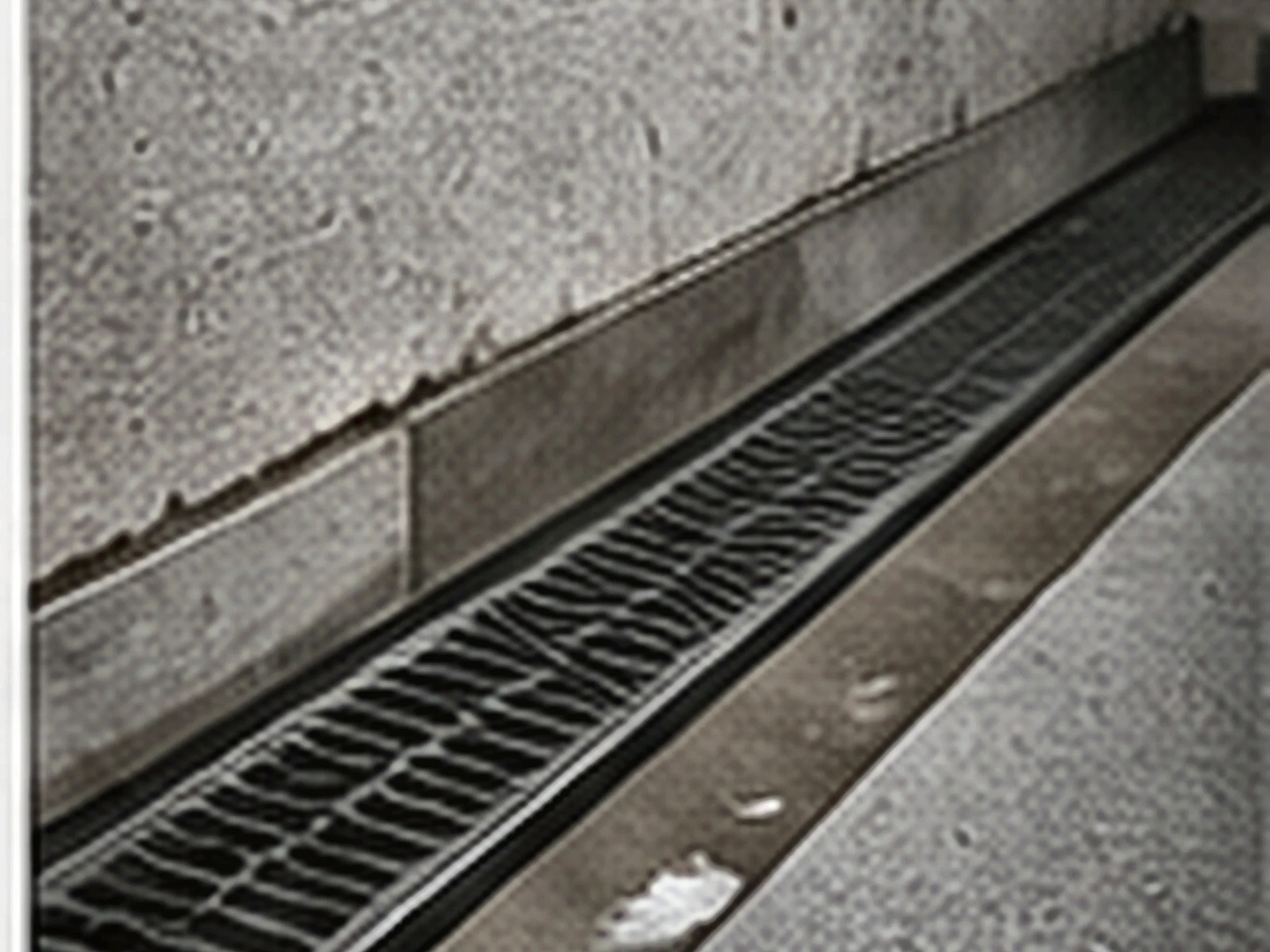
You'll understand whether your issue is hydrostatic pressure, a footing-drain failure, or a settlement crack — because those genuinely get fixed differently.
Our senior technician’s background means the diagnosis behind your quote holds up to real scrutiny, not just a sales script.
No flat-rate system sold before anyone's actually looked at your foundation and your soil conditions.
You're not getting handed off to a rotating sales team after the first call.
A thorough inspection identifies exactly where water is entering — through the wall, the floor-wall joint, or a specific crack — and what the exterior grading and drainage look like. We'll also ask about your home's age and any prior work, since a footing drain installed in the 1970s behaves very differently after 50 years of clay-soil pressure than a modern drainage system. That distinction is what separates a diagnosis from a guess.
A damp corner that shows up every winter rarely stays a damp corner. Water finds the same path every freeze-thaw cycle, and each cycle widens whatever opening it's using — so a hairline crack this year is often a running leak within a couple of winters. Beyond the structural side, standing moisture is one of the most common causes of mold growth and the musty smell that persists no matter how much you clean. Addressing it early is almost always less disruptive and less expensive than waiting for a full flood to force the issue.
It depends heavily on scope — a single crack injection is a very different job from a full interior drainage system with a new sump pump. We give you a real number after a free on-site inspection, not a phone-quote guess.
Michigan's freeze-thaw conditions mean drainage systems here often need to handle more seasonal water-table swings than milder climates — one reason we size every system to your specific soil and grading conditions rather than a one-size-fits-all package.
If your issue is a single settlement crack rather than broad hydrostatic pressure, crack injection alone can be a legitimate, lower-cost fix — but only if that's actually your situation. We'll tell you honestly if a cheaper fix will hold, or if it's likely to fail again.
Tell us what you're seeing — a damp corner, an active leak, a musty crawl space — and we'll get a real diagnosis on the calendar.