
Email: info@basementwaterproofingtroy.com
Call: (248) 886-6545
Wet Basement? Start Here
Free referral service: an independent local waterproofing pro handles the inspection and the estimate.
You need basement waterproofing when water seeps through walls, cracks or the floor-wall joint, or when damp spots and a musty smell keep coming back. In 2026 a typical whole-basement job costs $3,000 to $10,000; crack injection runs $250 to $1,000 per crack and interior drain tile $40 to $120 per linear foot.
Interior and exterior drainage, sump pump installation, and crack injection for wet or flood-prone Troy-area basements.
Most wet-basement searches in Troy trace back to one of two root causes: hydrostatic pressure from clay soil pushing groundwater against the foundation wall, or a specific crack — often from normal concrete curing or minor settlement — that's widened over repeated freeze-thaw cycles into an active water pathway. Treating both the same way is the most common reason a prior fix didn't hold: a system built for hydrostatic pressure is overkill and expensive for a single settlement crack, and injecting a crack that's really a symptom of broader wall pressure just buys a season or two before it fails again.
A good pro starts every basement waterproofing job with an on-site inspection that identifies which of these is actually happening — where water enters, what the exterior grading and gutter drainage look like, and whether prior repairs (if any) addressed the real cause or just the symptom. The recommended system and the price should both follow from that diagnosis.
A crack injected with the wrong material, or a drainage system installed without addressing an exterior grading problem first, often looks fixed for a season and then fails again — usually during the next hard freeze-thaw cycle. A proper inspection checks the specific mechanism at work: whether water is entering through a wall crack, the floor-wall cove joint, or a porous block wall; whether your home's grading slopes water toward the foundation instead of away from it; and whether an existing footing drain has silted up over the decades, common in Oakland County homes built before modern drainage standards.
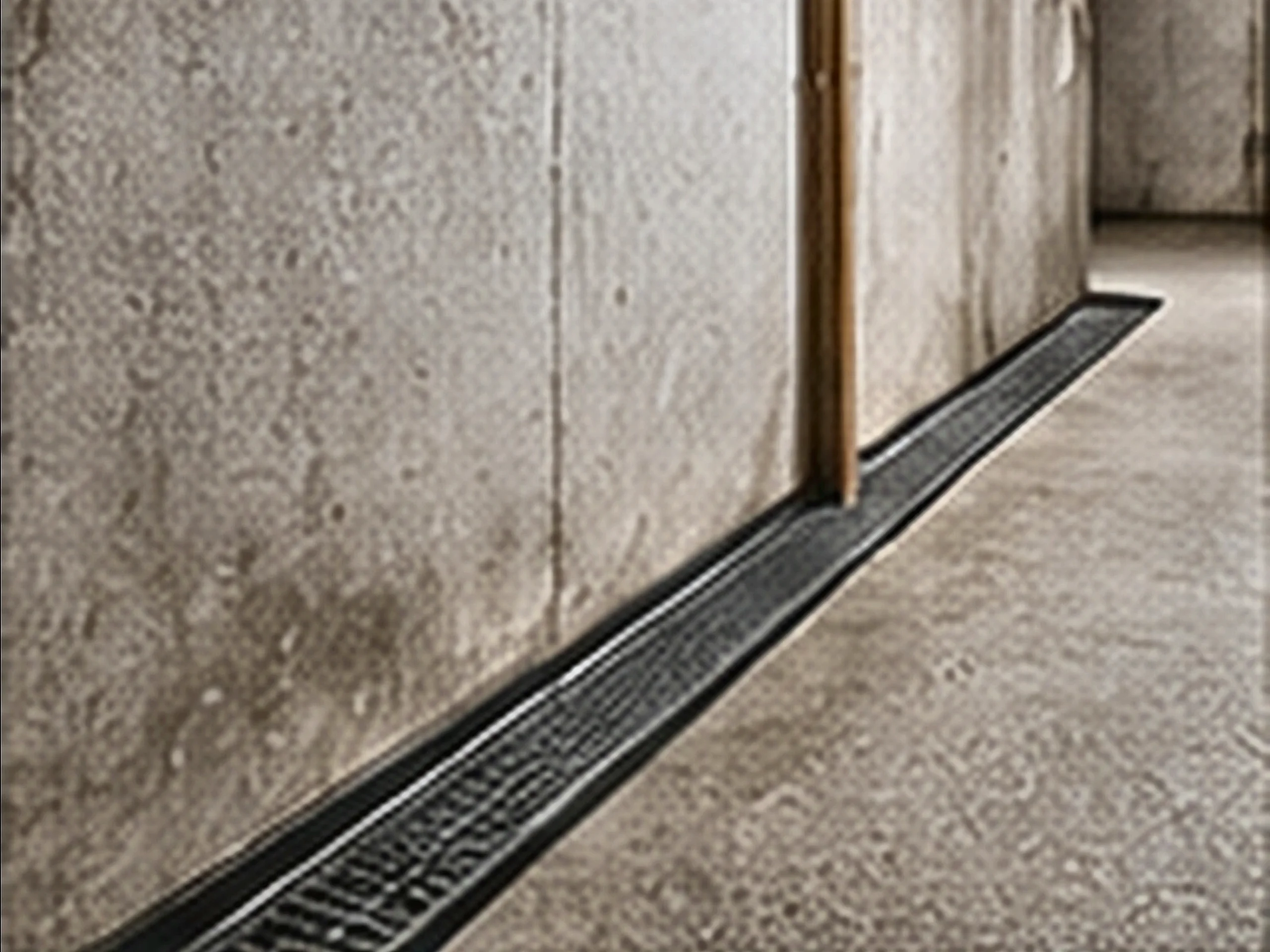
A perimeter drain along the interior footing, routing water to a sump pump rather than letting it pool against the wall — sized to your basement's actual water volume, not a generic length.
Excavation and membrane application on the outside of the foundation wall, for cases where addressing the water source before it reaches the wall is the better long-term fix.
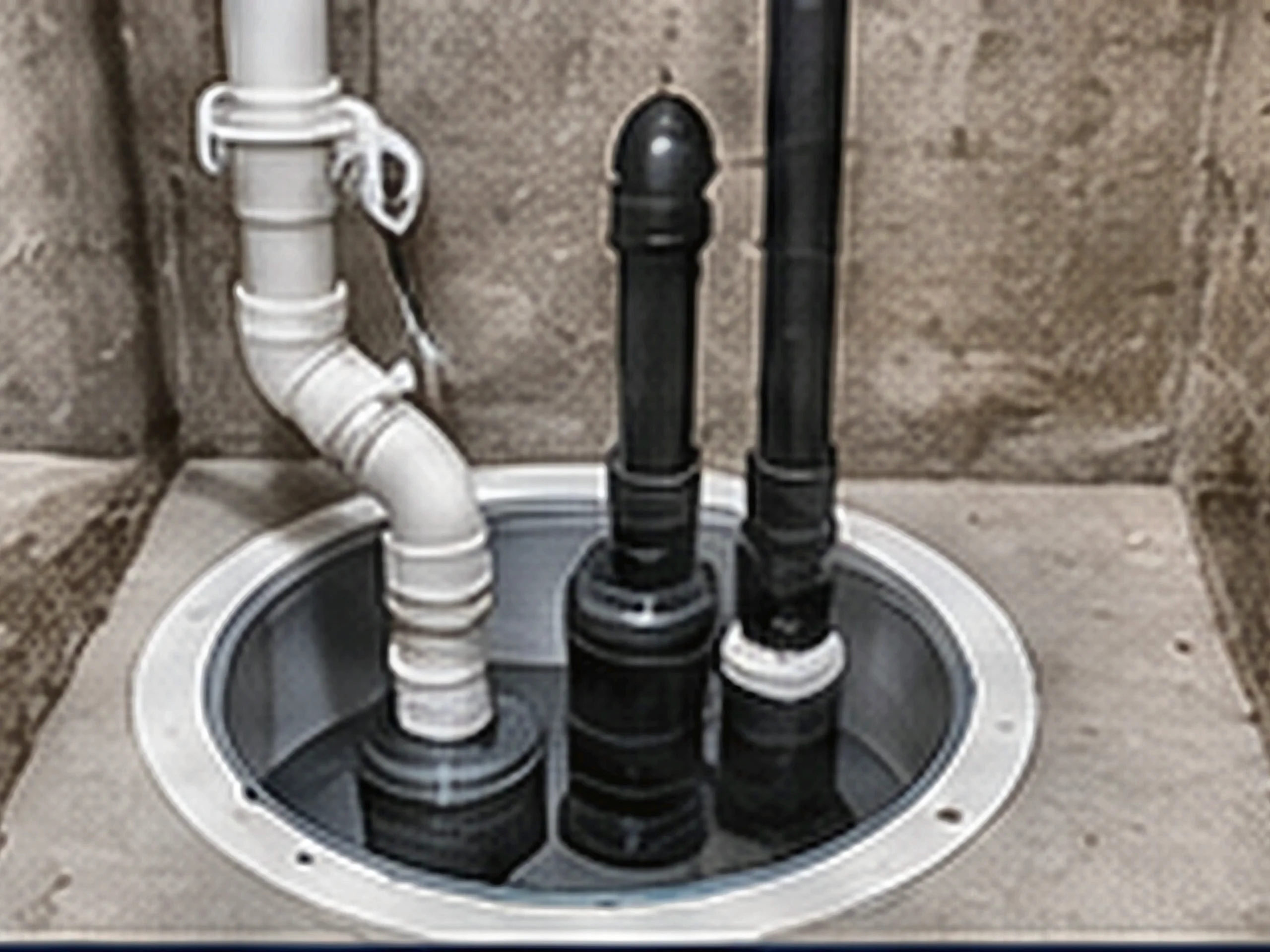
Sizing and installing a sump pump matched to your basement's real water volume, with battery backup available so a power outage during a storm doesn't leave you unprotected.
Epoxy injection for structural cracks that need bonding and reinforcement, polyurethane injection for active water infiltration where flexibility matters more than structural bonding.
Most whole-basement waterproofing projects in 2026 land between $3,000 and $10,000, with about $5,000 typical. Smaller jobs cost less: sealing one crack is usually $250 to $1,000, while a full interior perimeter drain is priced by the linear foot.
| Item | Typical 2026 US range |
|---|---|
| Typical whole-basement project | $3,000–$10,000 (average about $5,000) |
| Interior drain tile / perimeter drain | $40–$120 per linear foot |
| Exterior French drain | $10–$100 per linear foot |
| Crack injection | $250–$1,000 per crack |
| Interior waterproof sealant | $1–$8 per sq ft |
| Sump pump installation | $600–$2,500 |
Typical 2026 US ranges; your final price comes from the pro's written estimate.
| Pricing factor | How it affects your estimate |
|---|---|
| Number of affected walls | More walls needing drainage or injection increases scope and cost. |
| Type of fix needed | Crack injection alone costs meaningfully less than a full interior drainage system. |
| Sump pump condition | A new or upgraded sump pump adds to a drainage-system quote if the existing one is missing or undersized. |
Cost depends almost entirely on scope: a single crack injection costs far less than a full interior drainage system with a new sump pump, and the number of affected walls matters more than square footage. The pro gives you an exact figure after the on-site inspection, not over the phone.
Your request goes to an independent local waterproofing pro, not a salesperson with a system already picked out. Ask them to walk you through the evidence behind the recommendation, so you can weigh their reasoning against any other quote you get.
Ask for a free on-site inspection of your home.
Free on-site inspection — the pro identifies where water is entering, why, and what prior work (if any) did or didn’t address.
A specific recommendation — matched to your actual diagnosis, explained in plain terms, not a standard package.
A written quote before any work starts, with nothing added halfway through the job.
The work itself — a single crack injection often takes just a few hours; a full drainage system usually takes one to three days.
Warranty terms for the finished work, which the pro should put in writing before you sign.
A musty smell that won't go away, white mineral deposits (efflorescence) on the walls, a damp corner that reappears every winter, or a crack that seems to widen after a hard freeze are all signs it's time for an inspection — waiting typically means more extensive, more expensive work later.
That's exactly what the on-site inspection determines — whether the water source is broad hydrostatic pressure across the wall or a single localized crack, and whether an existing footing drain is still functioning or has silted up over time.
Yes, though a finished basement may need some drywall or flooring removed near the affected wall to access it — the pro can explain exactly what that involves during the estimate.
Active leaks and flooding usually get priority over routine inspections. When you call, say that water is coming in now.